

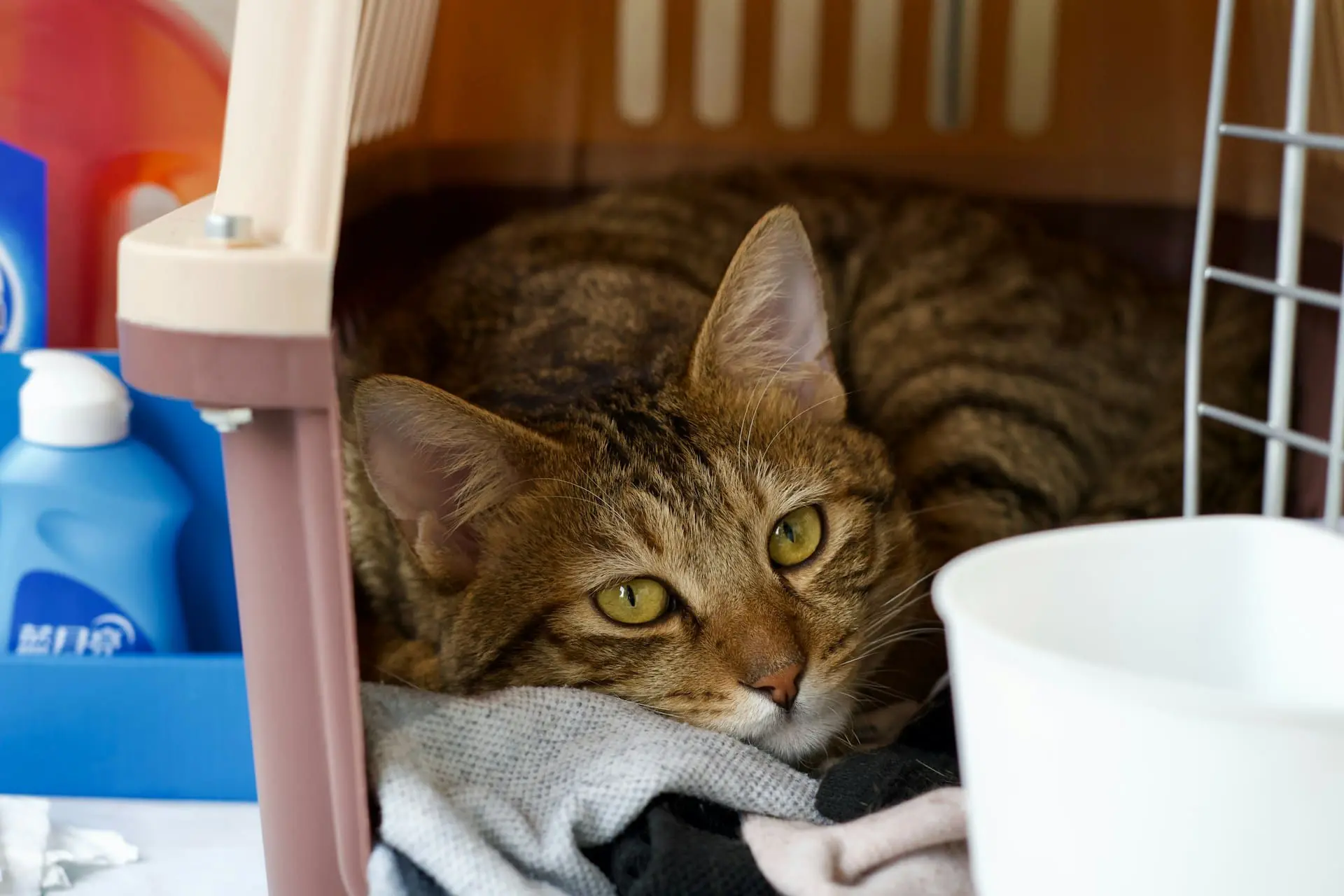
As a board-certified veterinary dentist, I speak with pet owners every day who feel anxious about anesthesia. Whether their pet needs a routine dental cleaning or a complex oral surgery, one concern consistently rises to the top: “Is anesthesia safe for my pet?”
It’s a fair question and an important one. The good news is that modern safe veterinary anesthesia is not just about the drugs we use. It’s about the people, the planning, and the precision behind every procedure. One of the most valuable members of that team is a board-certified veterinary anesthesiologist. These are veterinarians who have gone through an arduous training program and passed an extremely difficult board exam to become board-certified in veterinary anesthesia.
In our practice, collaboration with highly trained anesthesia professionals via livestream monitoring has transformed the level of care we can provide. Let me walk you through how this partnership works and why it matters for your pet.
Perhaps you are a referring veterinarian in general practice who has concerns about safely anesthetizing certain patients who may have a greater anesthetic risk than others.
What Is a Board-Certified Veterinary Anesthesiologist?
A board-certified veterinary anesthesiologist is a veterinarian who has completed advanced specialty training focused exclusively on anesthesia and pain management. This includes years of additional education, hands-on clinical experience, and rigorous board-certification standards.
While general practitioners are trained to safely anesthetize pets, anesthesiologists bring a deeper level of expertise, especially for higher-risk or complex cases. Their role is not just to place a pet under anesthesia, but to carefully manage every physiological system before, during, and after anesthesia.
Pre-Anesthetic Planning: Where Safety Begins
Safe veterinary anesthesia starts long before your pet enters the procedure room.
In our clinic, every case begins with a detailed evaluation. This includes a physical exam, review of medical history, and pre-anesthetic diagnostics such as bloodwork. Addressing every concern a pet owner has regarding anesthesia is a vital part of the patient history. When a board-certified anesthesiologist is involved, they take this information and develop a highly customized anesthesia protocol.
No two pets are the same. A young, healthy dog coming in for a dental cleaning under anesthesia will have very different needs compared to a senior cat with kidney disease or a brachycephalic breed with airway challenges.
The anesthesiologist considers factors such as:
- Age and breed
- Underlying health conditions
- Previous complications the pet may have had under anesthesia, and how they were managed
- Type and possible duration of procedure
- Pain management needs
- Potential risks or complications
From there, they select the safest combination of medications, tailor drug dosages, and design a monitoring strategy specific to that patient.
This level of planning is one of the most important ways we elevate safe veterinary anesthesia.
Customized Anesthesia Protocols
In veterinary dentistry, procedures can range from routine dental cleanings to advanced oral surgery. These cases require precision and can be lengthy, making anesthesia management especially critical.
A board-certified anesthesiologist helps us move beyond “one-size-fits-all” protocols. There are no “cookie-cutter” approaches to our patients. Instead, they create balanced anesthesia plans that combine multiple medications in smaller, safer doses. This approach minimizes side effects while maintaining excellent sedation, pain control, and muscle relaxation.
I once heard it said, “There are no safe anesthetic drugs. There are only safe anesthesiologists.”
For example, a patient undergoing a tooth extraction may receive:
- Pre-medication to reduce anxiety and pain and lower the doses of other drugs
- Induction agents for smooth transition into anesthesia
- Inhalant anesthetics to maintain a controlled plane of anesthesia
- Local nerve blocks to reduce the need for systemic drugs
- Continuous rate infusions for consistent pain control that also allow the dose of other drugs to be decreased
After the anesthetic plan is formulated, our anesthesiologist “rounds” with the rest of the team, particularly the CVT and board-certified veterinary dentist. The case is discussed in great detail to prepare all involved for the procedure.
Advanced Monitoring During the Procedure
Livestream monitoring with our anesthesiologist is not just at induction but continued throughout the procedure.
During every anesthetic procedure in our clinic, a team member who is a certified veterinary technician (CVT) is dedicated solely to monitoring your pet. They work closely with our board-certified anesthesiologist, who signs on to our monitors online and has livestream access to all the information our CVT does. They also have an open phone line to continuously discuss the case and any changes that need to be made in the anesthetic treatment plan. This results in being an incredibly collaborative process for the entire team.
We track key parameters such as:
- Heart rate and rhythm (ECG)
- Blood pressure
- Oxygen saturation
- Carbon dioxide levels
- Respiratory rate
- Body temperature
These metrics are not just numbers on a screen; they tell a story about how your pet is responding in real time.
An anesthesiologist is trained to interpret even subtle changes and intervene if needed. Whether it’s adjusting anesthetic depth, administering fluids, or modifying ventilation, their expertise ensures your pet remains stable throughout the procedure.
This constant vigilance is a cornerstone of safe veterinary anesthesia.
Pain Management: A Critical Component
Pain control is often overlooked when people think about anesthesia, but it’s actually a major part of keeping pets at a safe level of anesthesia.
Uncontrolled pain can lead to increased heart rate, elevated blood pressure, delayed healing, and a more difficult recovery. A board-certified anesthesiologist works closely with our dental team to ensure that pain is managed proactively before, during and after the procedure, not reactively.
In veterinary dentistry, we frequently use regional anesthesia techniques such as nerve blocks. These allow us to numb specific areas of the mouth, reducing the need for higher doses of general anesthetics, particularly gas anesthesia.
The result?
- Better comfort during and after the procedure. Many of our local anesthetic blocks last well beyond the procedure. In fact, while the numbing effect goes away a few hours after the procedure, the analgesic (pain-relief) impacts can persist for as long as 1-2 days
- Smoother recoveries
- Lower overall anesthetic risk by decreasing the need for additional drugs
Again, this is a key element of safe veterinary anesthesia that benefits every patient.
Managing High-Risk Patients
Not all pets are ideal anesthesia candidates. Some have underlying medical conditions that increase their risk, such as heart disease, kidney dysfunction, or respiratory issues. Some of them may have had previous sensitivities to anesthesia.
This is where the value of a board-certified anesthesiologist is so beneficial.
For high-risk patients, they:
- Adjust drug choices and doses to minimize organ stress
- Develop contingency plans for potential complications
- Use advanced monitoring techniques
- Provide tailored fluid therapy
- Coordinate closely with the dental and surgical teams
And that’s important because untreated dental disease can lead to significant pain and systemic health issues.
Recovery: Just as Important as the Procedure
Safe veterinary anesthesia doesn’t end when the procedure is finished.
Recovery is a critical phase where pets transition from unconsciousness back to full awareness. During this time, complications can still take place
With a highly trained anesthesia team involved, recovery is carefully managed:
- Patients are continuously monitored
- Pain control is maintained
- Body temperature is supported
- Airway safety is prioritized
A smooth recovery is often the final indicator of a well-managed anesthetic event.
A Team-Based Approach to Safety
As a board-certified veterinary dentist, I rely heavily on teamwork. Dentistry and anesthesia go hand in hand.
When we collaborate with a board-certified veterinary anesthesiologist, we elevate every aspect of care:
- Better planning
- Safer drug protocols
- More precise monitoring
- Enhanced pain management
- Improved outcomes
This team-based approach is what defines modern safe veterinary anesthesia.
What This Means for You and Your Pet
If your pet needs a dental procedure, it’s completely natural to feel concerned about anesthesia. But it’s important to understand that safety is not just about avoiding risk. It’s about actively managing it at every stage.
When a highly trained team, including a board-certified anesthesiologist, is involved, your pet benefits from:
- Individualized care
- Advanced livestream monitoring
- A significantly higher standard of safety
In our practice, this is not an optional luxury; it’s a core part of how we deliver care.
Final Thoughts
Anesthesia will always carry some level of risk. That’s true in both human and veterinary medicine. But with the right team, the right preparation, and the right expertise, those risks can be minimized to an extraordinary degree.
Safe veterinary anesthesia is the result of collaboration, training, and attention to detail. As a board-certified veterinary dentist, I’ve seen firsthand how partnering with a skilled anesthesiology team transforms patient care and gives pet owners the confidence they deserve.
If you have questions about your pet’s upcoming procedure, don’t hesitate to ask. A good team will always take the time to explain their approach and help you feel informed every step of the way.
Photo by XAOXUU on Unsplash used with permission under the Creative Commons license for commercial use 05/14/2026